Are We Creating the Dog Problems We Fix?
Chewy ChumsAre We Creating the Dog Problems We’re Trying to Fix?
Dog problems often look sudden. Biting. Jumping. Over-arousal. Ignoring cues.
But behavior rarely appears out of nowhere. It’s shaped. Repeated. Reinforced.
Most “Dog Problems” Start With Human Instinct
We hug when we’re excited. We pull away when teeth touch skin. We yell when we’re frustrated. We offer treats to stop chaos. All natural human reactions.
But dogs don’t process intention. They process consequence.

Example: Play Biting
Puppy gets excited. Teeth land on your hand. You flinch. You pull back.
From the dog’s perspective?
- Excitement made the human move
- Pressure ended the interaction
- No instruction was given
The opportunity to teach control disappears.
If you’re navigating this stage, start here: The Ultimate Guide to Puppy Biting.

Example: Jumping
We greet puppies with high energy.
Hands waving. Voices raised. Jumping follows. Then we push them down.
From the dog’s perspective?
- High energy started the game
- Physical contact followed
- Attention was delivered
Again, no clear structure.

The Pattern
Many dog problems are not rooted in aggression. They’re rooted in inconsistency.
We react instead of shape. We avoid instead of engage. We stop behavior instead of refining it.

Structure Changes Everything
Dogs learn through:
- Pressure and release
- Repetition
- Clear start and stop signals
- Calm presence under arousal
That last one is critical.
When humans withdraw because it hurts, repetition ends. Without repetition, regulation never develops.
This is where protection becomes practical.
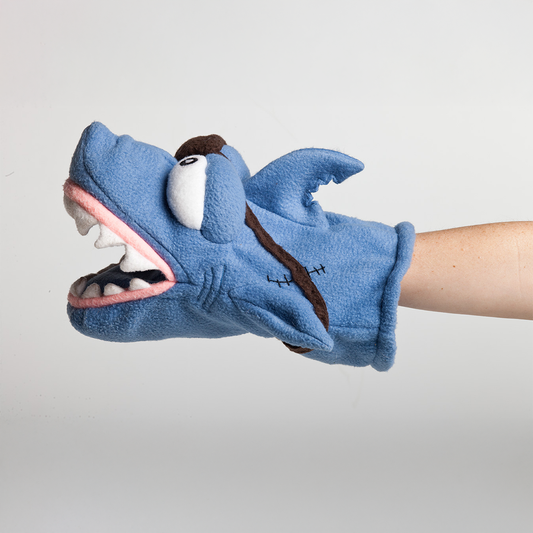
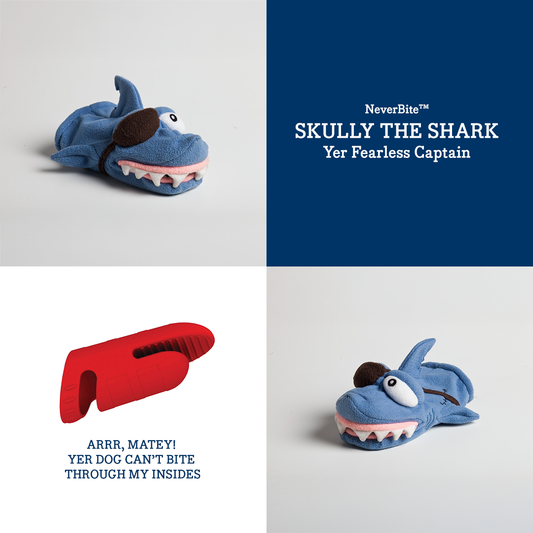
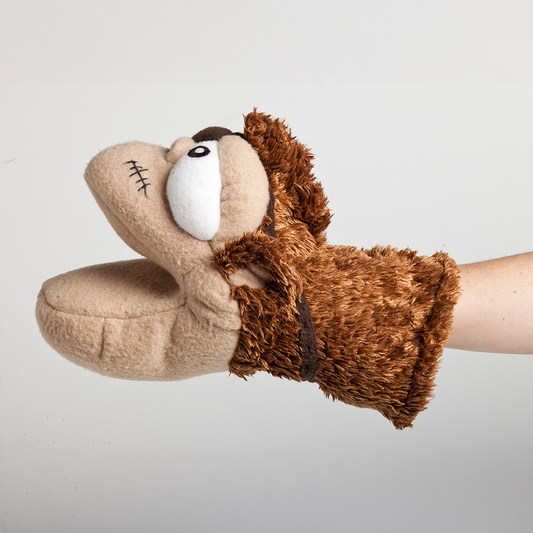
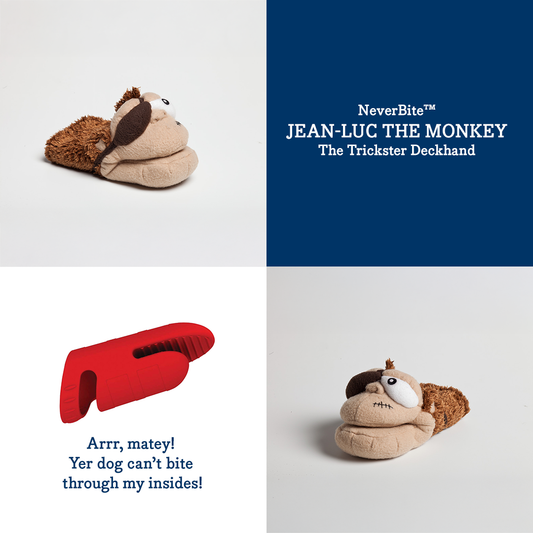
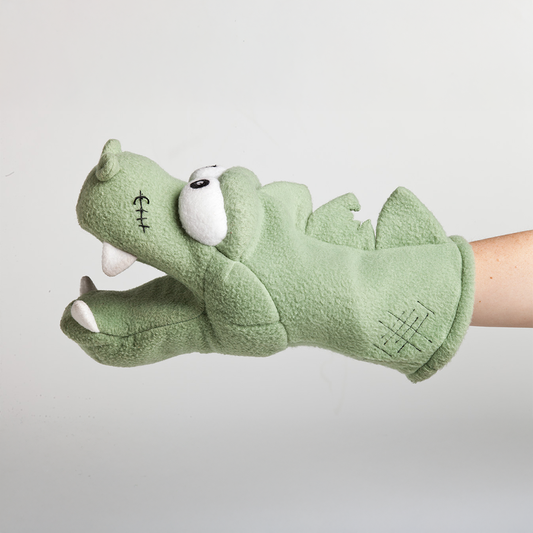
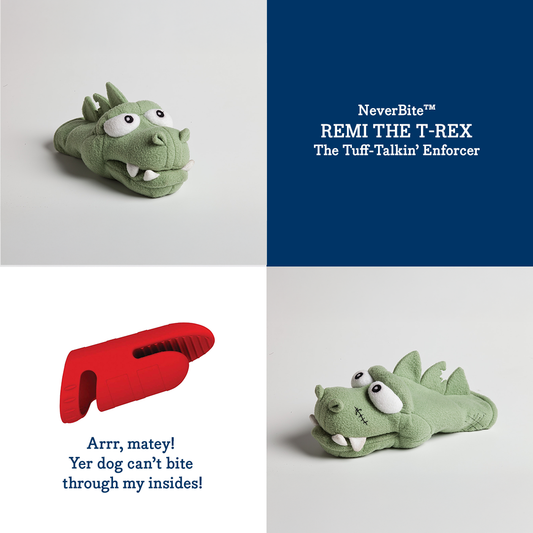
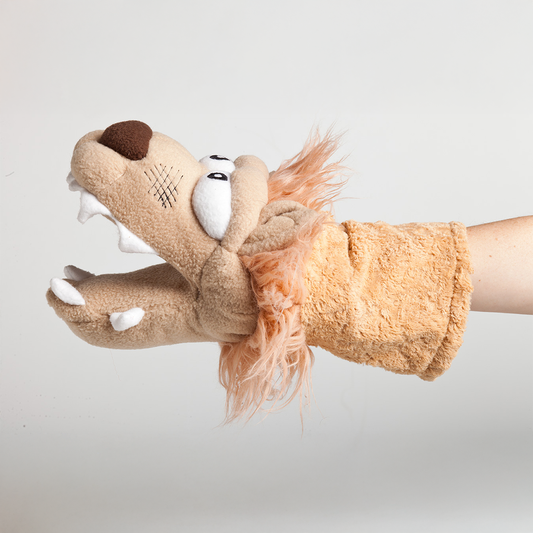
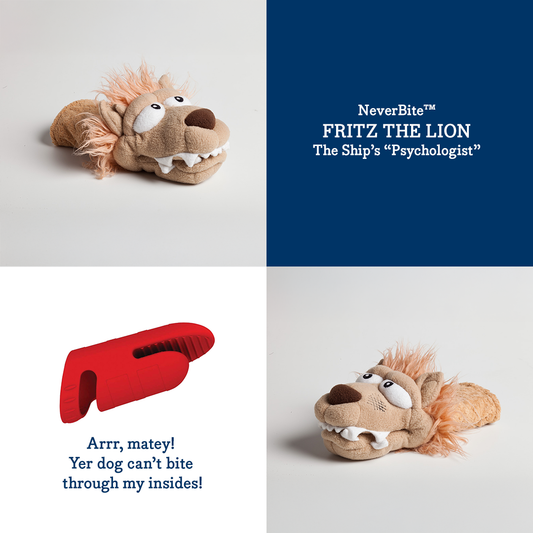
A reinforced, interactive tool allows you to stay engaged safely. Engagement builds clarity. Clarity builds better behavior.
Learn how structured interaction works: NeverBite™ Features & Benefits.
We Don’t Mean To Create The Problem
No one encourages biting. No one wants jumping. But without intentional structure, instinct fills the gap.
Dogs don’t grow out of behavior. They grow into what repetition teaches.
The Real Question
Are we fixing behavior?
Or reacting to patterns we accidentally built?
Because once you understand that many dog problems are interaction problems, the solution becomes clearer.

Final Word
Shape, don’t suppress. Engage, don’t retreat. Refine, don’t react.
Explore structured interactive tools designed for real learning: NeverBite™ Protective Puppets.
Protect your hands. Train with intention. Build better patterns.