What Are the Different Dog Training Methods?
Chewy ChumsWhat Are the Different Dog Training Methods?
Dog training methods vary widely in philosophy, tools, and outcomes.
Some focus on rewards.
Some focus on correction.
Some focus on instinct and behavior science.
Understanding the pros and cons of each method helps you choose the right approach for your dog, your household, and your long-term goals.

1. Positive Reinforcement (R+)
This is the most widely recommended modern training approach.
It rewards desired behavior with:
- Treats
- Praise
- Toys
- Play
Undesired behaviors are redirected or ignored rather than punished.
Pros:
- Builds trust and confidence
- Low stress for most dogs
- Encourages engagement
Cons:
- Can create treat dependency if not structured properly
- Timing must be precise
- High-distraction environments can reduce effectiveness
This method works best when reward is combined with structured interaction—not just food.
2. Balanced Training
Balanced training combines rewards with corrections.
It may use:
- Leash pressure
- Verbal corrections
- Training collars
Pros:
- Clear boundaries
- Can produce fast compliance
Cons:
- Risk of fear-based responses
- Requires skilled handling
- May suppress behavior instead of reshaping it
This method is controversial in modern training circles and depends heavily on trainer skill and timing.
3. Dominance-Based / Alpha Theory
This older approach is rooted in outdated wolf-pack hierarchy theories.
It emphasizes human authority and control.
Pros:
- Clear leadership structure
Cons:
- Often based on debunked research
- Can increase fear or defensive aggression
- Does not account for modern behavior science
Most modern canine behavior experts no longer recommend dominance-based training.
4. Relationship-Based Training
This method emphasizes understanding canine body language and emotional state.
It combines:
- Positive reinforcement
- Environmental management
- Clear communication
Pros:
- Builds strong bond
- Reduces stress-driven behaviors
Cons:
- Requires patience
- Less structured guidance for high-energy mouthy puppies if not paired with interactive tools

5. Behavior-Based / Instinct-Led Training
This progressive approach studies how dogs naturally learn through:
- Pressure and release
- Repetition
- Play-based redirection
- Bite inhibition development
It works with instinct rather than suppressing it.
Pros:
- Builds impulse control naturally
- Highly effective for puppy biting
- Encourages structured play
Cons:
- Requires engagement and consistency
- Human discomfort during mouthy phases must be managed safely

This is where structured, reinforced interactive tools become useful—especially for families navigating puppy biting.
For a deeper look at bite inhibition, read: The Ultimate Guide to Puppy Biting.
Which Dog Training Method Is Best?
The “best” method depends on:
- Your dog’s temperament
- Your consistency
- Your trainer’s skill
- Your household environment
But modern consensus favors approaches that:
- Build trust
- Shape behavior instead of suppressing it
- Use structured repetition
- Teach impulse control early

Final Word
Understanding dog training methods helps you make informed decisions.
Training isn’t about dominance. It’s not about bribery. It’s about shaping behavior with clarity and consistency.
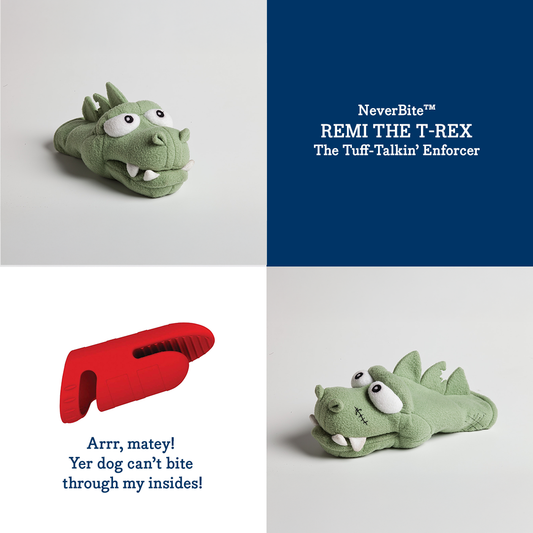
If you’re looking for structured, interactive tools that align with progressive training, explore: NeverBite™ Protective Puppets.
Protect your hands. Train with intention. Build better behavior.