Why Hire Dog Trainers Who Use a Puppet Toy
Chewy ChumsWhy Hire Dog Trainers Who Use an Interactive Puppet Toy for Puppy Training?
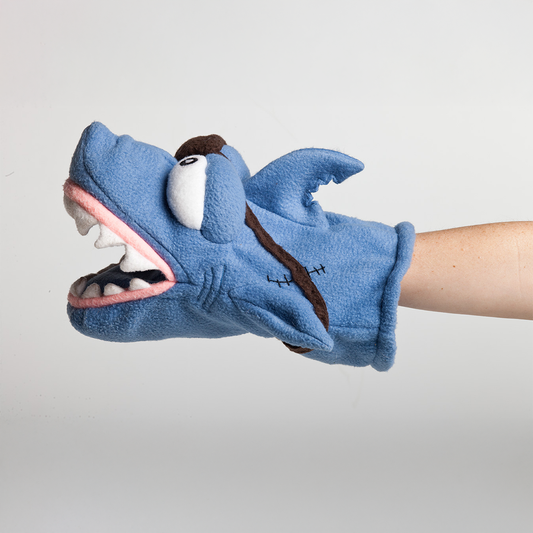
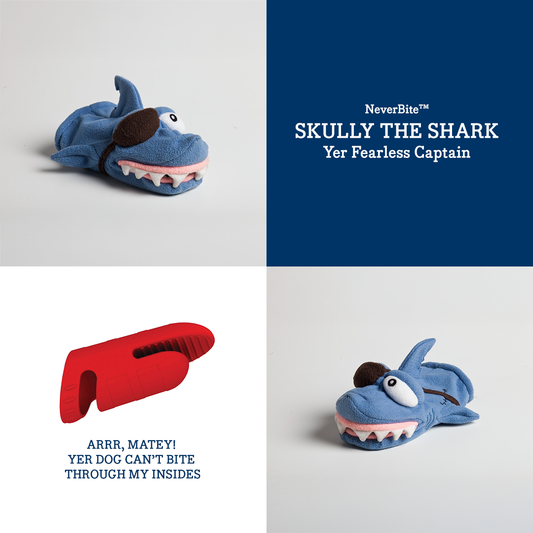
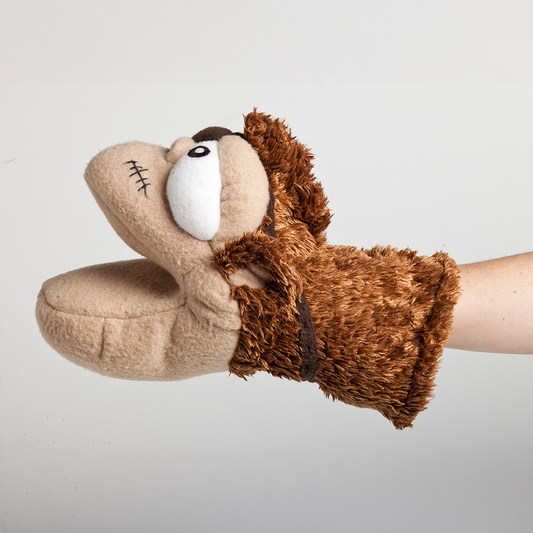
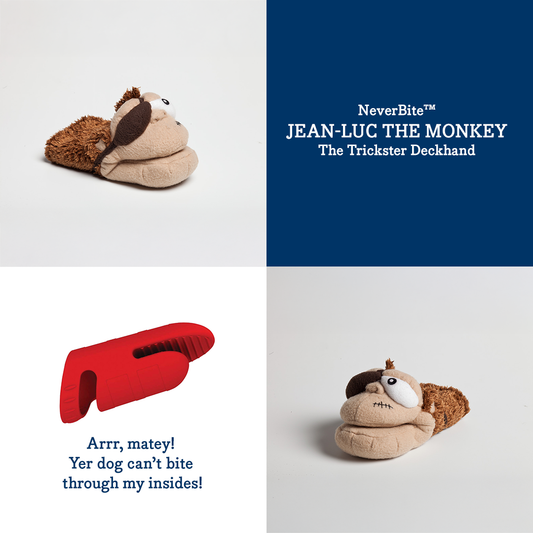
Interactive puppet toy for puppy training.
Puppet training.
It sounds unconventional.
Until you understand what it actually does.
The best dog trainers don’t just teach obedience.
They shape behavior at the moment energy spikes.
And that moment almost always involves teeth.

Most Puppy Problems Start With the Mouth
Nipping.
Over-arousal.
Tug that escalates.
Hands becoming targets.
Puppies explore the world through pressure and play.
If you remove the mouth, you remove the learning opportunity.
If you allow chaos, you reinforce bad habits.
Professional dog trainers know the difference.
For a deeper look at why puppies bite, read: The Ultimate Guide to Puppy Biting.

Why Traditional Tools Fall Short
Food works. Until distraction wins.
Standard plush toys work. Until they tear.
Bare hands work. Until they get shredded.
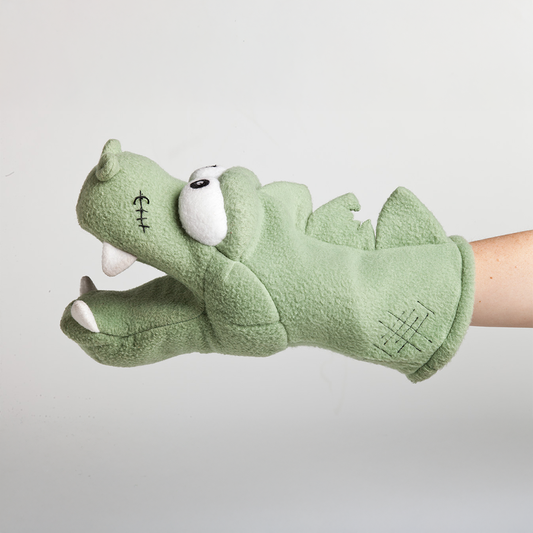
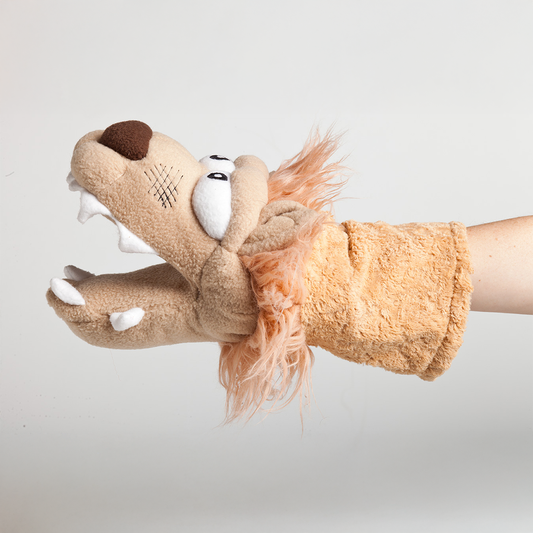
An interactive puppet toy for puppy training changes the structure entirely.

What an Interactive Puppet Toy Actually Does
- Creates a safe redirection point for biting
- Allows trainers to control pressure and timing
- Teaches “gentle” in real time
- Reinforces “drop it” under excitement
- Maintains human presence instead of withdrawal
This isn’t about play acting.
It’s about staying in the learning loop.

Why Professionals Prefer Structure Over Reaction
When trainers use their bare hands, two things happen:
- They flinch.
- They pull away.
That withdrawal teaches avoidance, not control.
With protection built in, trainers remain calm. Calm builds clarity. Clarity builds consistency.
Learn how the design works: NeverBite™ Features & Benefits.
The Difference Between Cute and Functional
An interactive puppet toy for puppy training is not a novelty.
It’s layered. Reinforced. Engineered for pressure. Soft enough for engagement. Structured enough for correction.
That balance matters.

What It Signals About a Trainer
If a trainer incorporates an interactive puppet tool, it often means:
- They understand bite inhibition development
- They train through engagement, not intimidation
- They prepare for high-energy scenarios
- They prioritize safety without losing interaction
It’s proactive training. Not reactive correction.
Better For Families. Especially With Kids.
Households with children benefit the most. Because when structure exists during play, pressure thresholds become clear.
If you’re raising a puppy in a home with kids, also read: How to Teach Kids to Safely Play With Puppies.

Final Word
Good trainers don’t eliminate instinct. They shape it.
An interactive puppet toy for puppy training is not about theatrics. It’s about protection. Repetition. Control under pressure.
If you’re evaluating trainers — ask what tools they use.
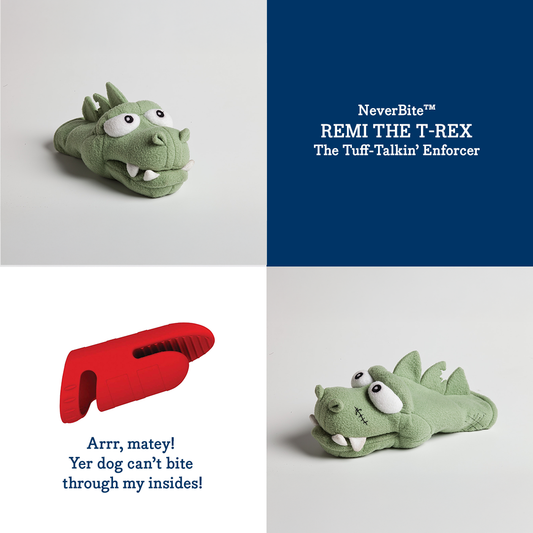
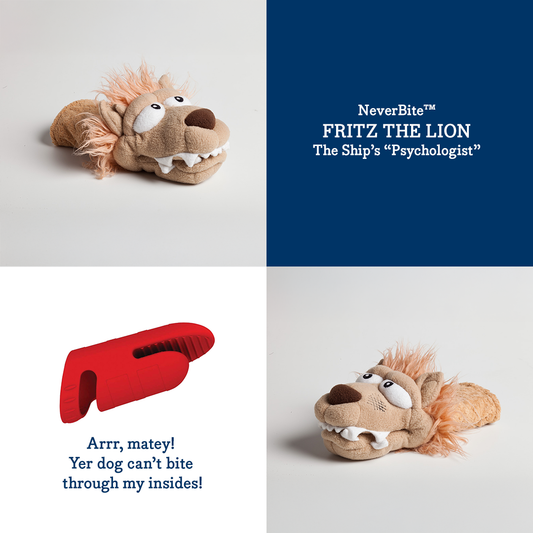
And if you’re training at home, explore the crew: NeverBite™ Protective Puppets