Even Good Dogs Bite: What Dog Owners Must Know
Chewy ChumsFact: Even Good Dogs Bite
Not because they’re aggressive.
Not because they’re “bad.”
Not because they failed obedience school.
They bite because they’re animals with teeth, instinct, and thresholds.
And when pressure crosses that threshold, behavior follows biology.

The Dangerous Myth of “My Dog Would Never”
Most dog bite incidents are described the same way:
“He’s so sweet.”
“She’s amazing with kids.”
“He’s never done that before.”
That’s the problem.
Dog owners confuse temperament with immunity.
A stable dog can still react if:
- They’re startled
- They’re in pain
- They’re over-aroused during play
- They’re guarding food or toys
- A child grabs too tightly
Good dogs still have thresholds.

Most Dog Bites Start With Dog Play
Especially with puppies.
Excitement builds.
Teeth make contact.
Pressure increases.
No one teaches the line — until it’s crossed.
If you haven’t read it yet, start here: The Ultimate Guide to Puppy Biting.

The Real Issue: Lack of Bite Inhibition
Bite inhibition is not automatic.
Dogs learn how hard is too hard.
They learn when pressure ends interaction.
They learn through repetition.
Without structured interaction, they guess.
And guessing with teeth is risky.

Why Punishment Doesn’t Solve It
Yelling stops the moment.
It doesn’t teach control.
Pulling your hand away protects you.
It doesn’t build better habits.
Stopping play entirely removes learning opportunity.
Structure is what changes a dog behavior.

How To Prevent The Bite Before It Happens
You don’t eliminate instinct.
You shape it.
That means:
- Teaching “gentle” during high-energy play
- Teaching “drop it” under arousal
- Controlling when play starts and stops
- Redirecting mouthy behavior safely
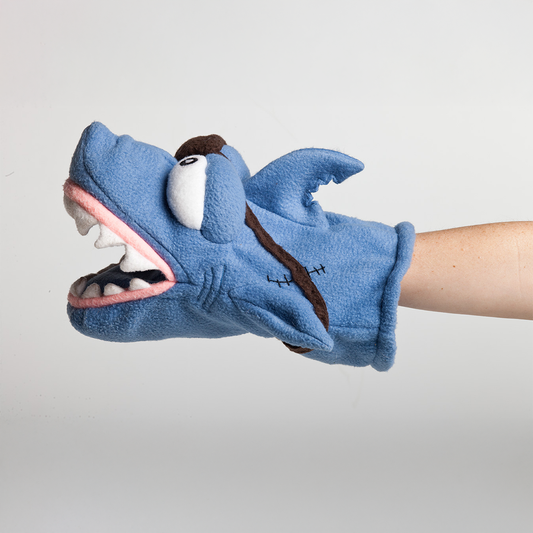
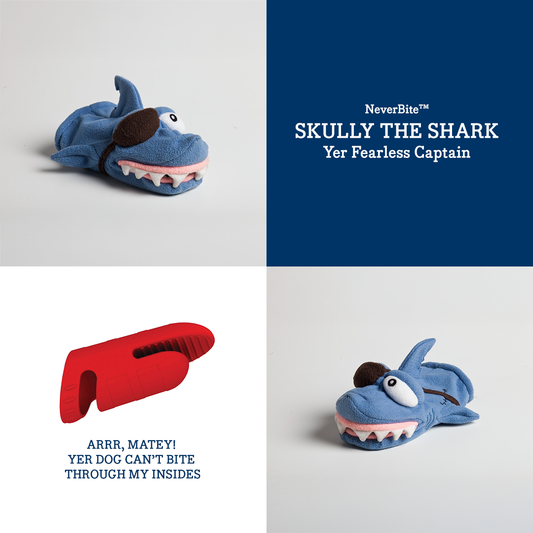
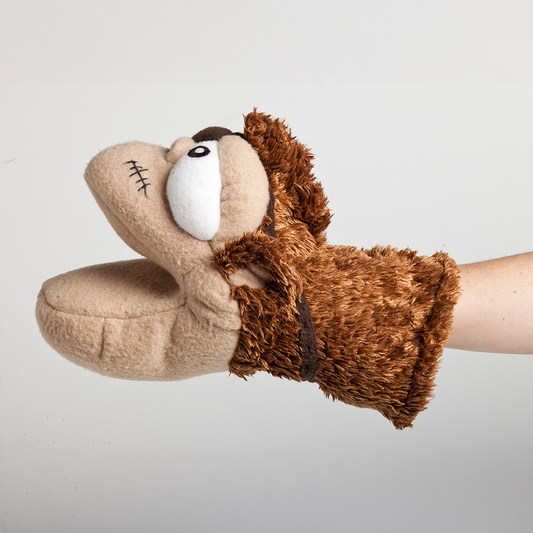
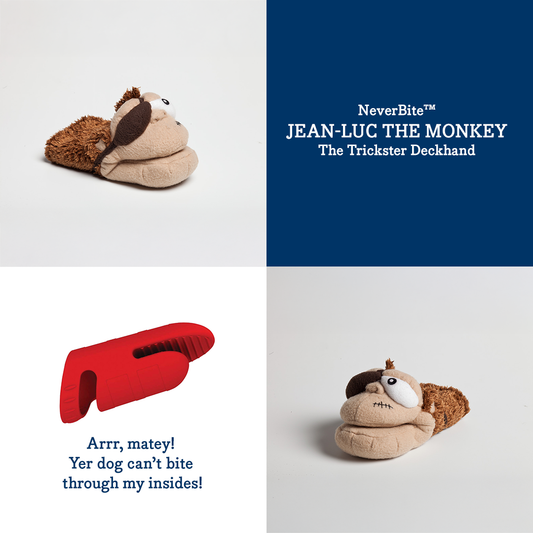
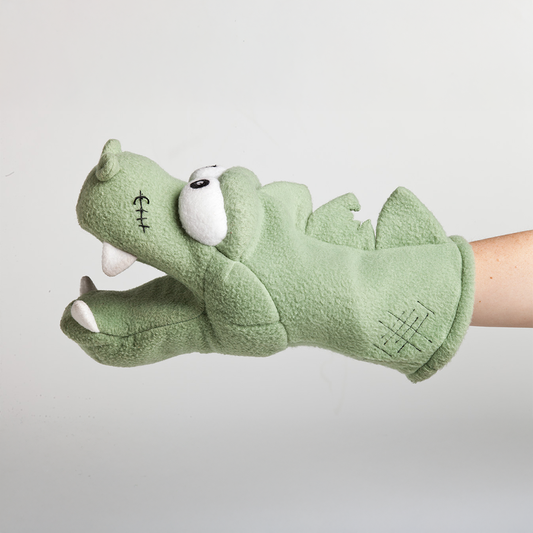
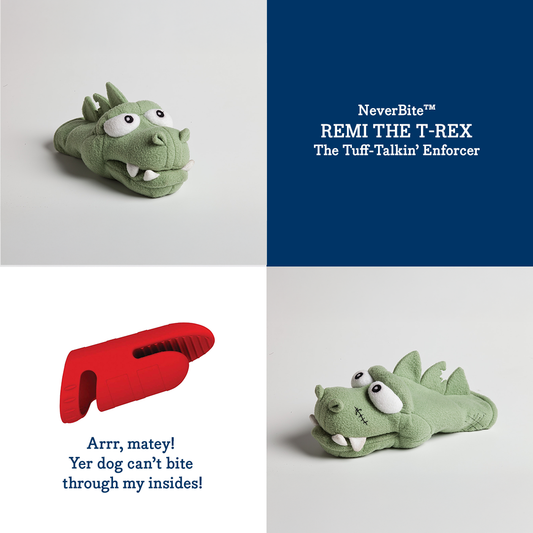
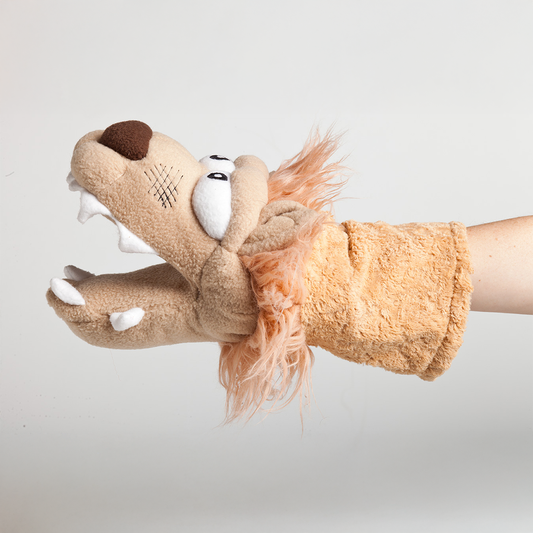
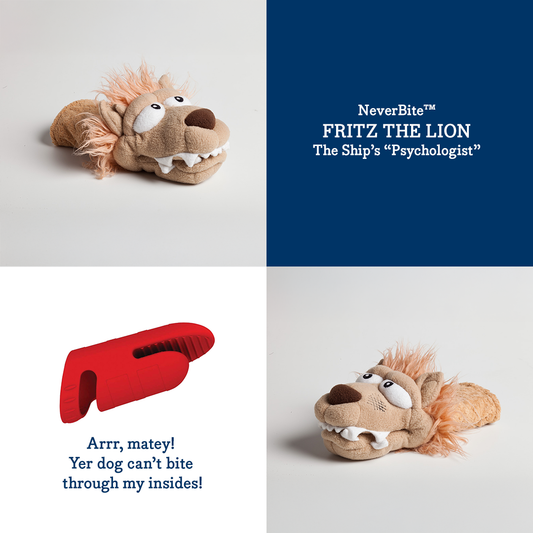
This is where a protective interactive tool matters.
Learn how it works: NeverBite™ Features & Benefits.
Protection Changes The Interaction
When hands are protected:
- You don’t flinch
- You don’t pull back
- You don’t escalate energy
- You stay present
That stability teaches dogs more than shouting ever will.
It allows repetition.
And repetition builds control.

Even Good Dogs Bite — Responsible Owners Prepare
Prevention isn’t paranoia.
It’s leadership.
We don’t assume a child won’t fall off a bike.
We teach them balance.
We don’t assume a dog won’t bite.
We teach control.
If you’re raising a puppy in a home with kids, read: How to Teach Kids to Safely Play With Puppies.

Final Word
Even good dogs bite.
The difference between an dog bite incident and a dog training lesson is preparation.
Protect your hands.
Shape the behavior.
Train through interaction.
Explore the crew: NeverBite™ Protective Puppets