Teething Puppies 101: What They Need (And What to Avoid)
Chewy ChumsWhen Your Puppy’s Teeth Start Coming In—Everything Starts Going Out
Shoes. Furniture. Fingers. If it’s within reach, it’s fair game when your pup is teething. And while this phase is temporary, the habits it builds can stick around. That’s why teething puppies time is training time.
Here’s how to help your pup (and your belongings) survive the bitey months.
Additional readings: Play Biting vs. Real Aggression: How to Tell the Difference

When Does Puppy Teething Start and End?
- Starts: Around 3 weeks (baby teeth)
- Peaks: 12–16 weeks (teething chaos)
- Ends: Around 6 months (full adult set)
It’s a months-long process where your pup is sore, confused, and chewing for relief.
Additional readings: How Do I Train My Puppy to Stop Biting Everything?

What Teething Puppies Need
- Chew-Friendly Toys: Soft-yet-durable options that soothe the gums.
- Cold Relief: Chilled toys or frozen washcloths can help numb discomfort.
- Human Interaction: They’re also learning social cues—like bite inhibition.
- Redirection Practice: Every bite on the wrong thing is a chance to train them onto the right one.
Additional readings: Do Puppets Encourage Biting? Here’s What Dog Trainers Actually Say

What to Avoid During Puppy Teething
- Hard Bones or Antlers: Can damage sensitive teeth.
- Toys with Stuffing or Squeakers: Easy to shred, dangerous to swallow.
- Hands-as-Toys Training: Cute now, problematic later.
- Punishment-Based Reactions: It builds fear, not trust.
Additional readings: What Nature Teaches Us About Puppy Play—and How NeverBite™ Mimics It
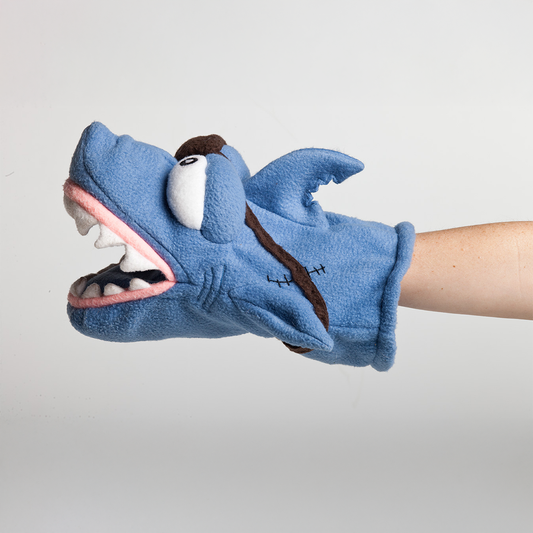
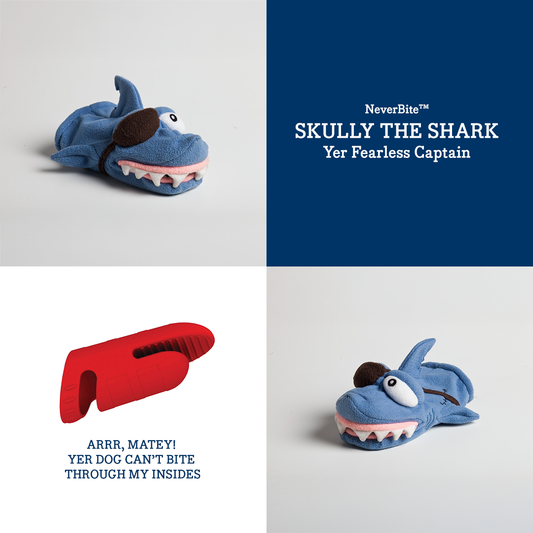
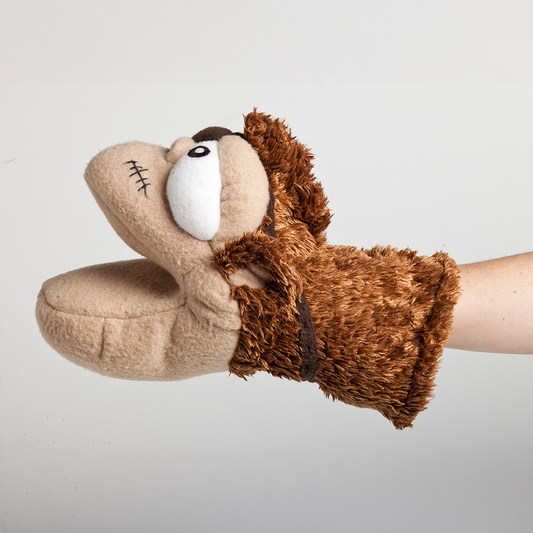
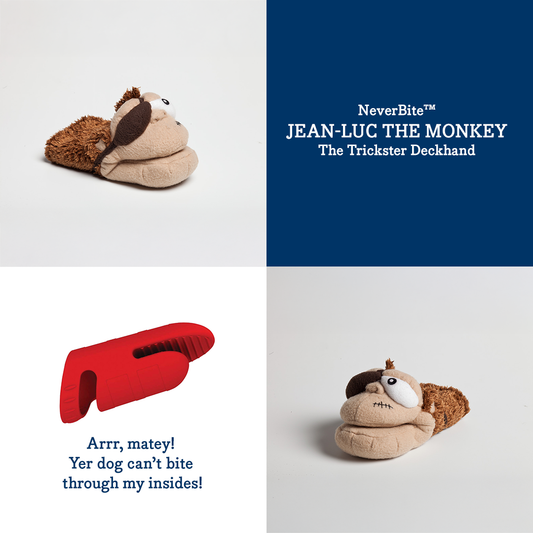
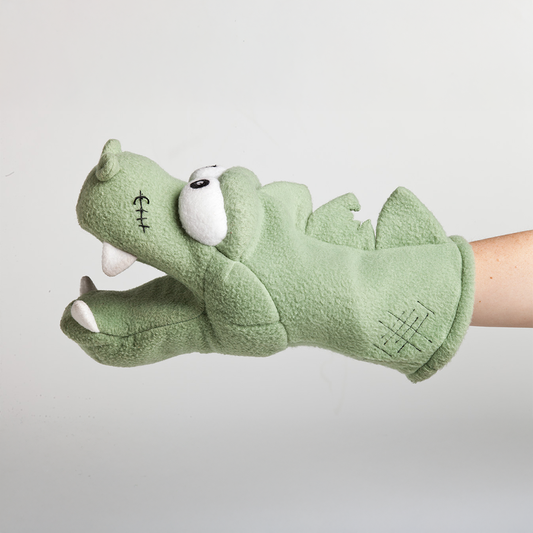
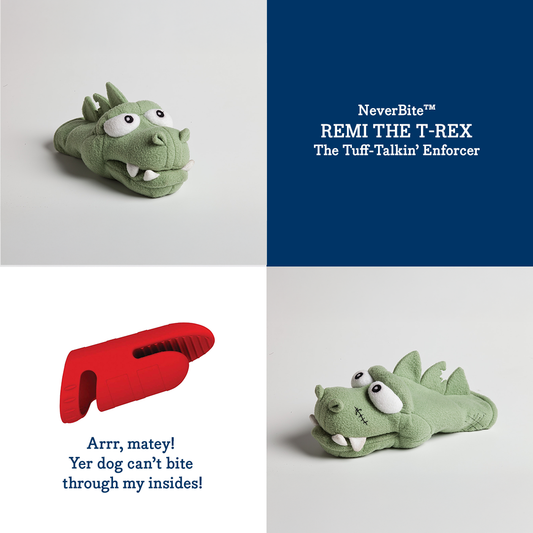
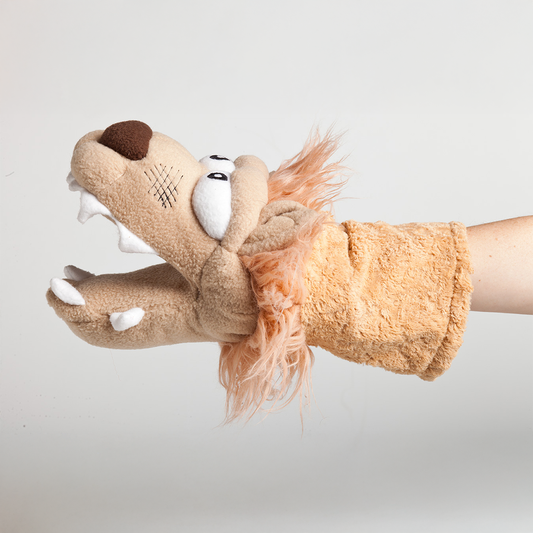
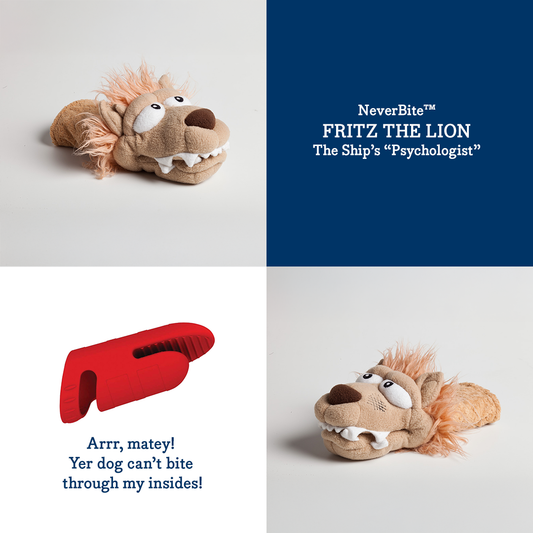
Why NeverBite™ Works for Teething Puppies
It’s more than a toy—it’s a teething survival tool:
- Reinforced stitching = survives sharp baby teeth
- No cotton = no dangerous fluff if ripped
- Built-in silicone glove protects your hand
- Lets you redirect the bite while bonding
- Can be chilled for added gum relief (just freeze it inside a bag)
It soothes them. It trains them. It protects you.
Additional readings: Why a Puppet Toy Is the Smartest Dog Training Tool You Didn’t Know You Needed

Signs of Serious Puppy Teething Problems
- If your pup:
- Bleeds frequently from the mouth
- Refuses to eat due to gum pain
- Develops aggressive chewing with growling
…it might be time for a vet visit. Teething shouldn’t be traumatic.
Additional readings: How Training Tools Like NeverBite™ Save You on Trainer Costs

Bonus Tips From the Chums
- Rotate between 2–3 teething toys daily
- Use chew sessions as reward moments
- Freeze NeverBite™ before bedtime to calm them down
- Praise soft mouths, ignore rough ones
Additional readings: Common Puppy Owner Mistake #4 – Ignoring the Evening Zoomies

Final Word from the Chewy Chums Crew
Teething is the perfect excuse to bond, train, and build habits that last a lifetime. Get through the worst of it with the best tools—and maybe keep your socks intact along the way.
🏴 Need a sidekick for the teething stage? NeverBite™ is built to bite back—safely.
Additional readings: How to Train a Puppy Not to Bite: Techniques That Actually Work